Portals: The Varpuja of Finland

Our second Portals feature takes us to Finland, where local musician and guest-writer Utu Lautturi dives into some of the many musicians and styles to emerge from this beautiful nordic country. 

Utu Lautturi is a Finnish multidisciplinary artist, composer and experimentalist, living and breathing audio and visual arts since early childhood. Immersed in nature worship, the arcane and mythical, bending all boundaries of auditive self-expression, Utu has slowly gained recognition for his strong organic ambient/experimental releases and intense live performances as well as collaborative works with various native and international artists. Utu's debut album, Nielu, was released in January 2015 through Pale Noir.

With such high regard for the many artists and musicians to emerge from his country, I couldn't imagine a better voice to guide us through the rich spectrum of music that has grown from the mystical rivers and woodlands of Finland in recent years. Utu has selected some of the most interesting artists and styles of Finnish introspective music, portraying acoustic and electronic elements, as well as fusions, landing on a ten-track mix of lesser-known and more internationally popular artists. And as with every Portal's feature, Utu has dug-deep into the featured tracks and given us everything we need to explore even further.

~

The Varpuja of Finland, by Utu Lautturi.

In a country as small as Finland, the borders between artists creating different types of ambient/electronic/atmospheric music are artificial at best. Contrary to  Finnish artists' achievements in heavy metal or psy-trance scenes, it is impossible to decipher or pin-point any distinctive style or "sound" in what I like to call, by a broader term, Finnish introspective music (engulfing styles such as ambient, electronic, ethnic, electroacoustic, neofolk and others).

It's common for musicians from different styles to collaborate, creating a plethora of musical fusions. However, I feel Finnish introspective artists have something in common. There is an indescribable melancholic magic present in their music, a fluid solidness, a solemn intent of sorts. To me, this magic is entwined with the awe-inspiring extremes present in Finnish nature. It is the magic of endless mid-summer light when the burning eye of the sky barely scathes the horizon for weeks. It is the magic of the long polar night when even tiny glimpses of the sun might stretch to over a month in-between.  Spring and Autumn in Finland are both short, colorful bursts full of wonder, inducing a strong sense of cyclic change. Perhaps it's this naturally enforced surrender unto the change of seasons, or the fact that even from the largest cities you're never more than half an hour away from vast forests, lakes and rivers, that helps us reflect upon Finnish music as primarily organic, even when produced solely by electronic means.

With the sounds of traditional instruments like the Kantele and Jouhikko (both capable of producing beautiful ambience and droney atmospheres) engraved in our cultural genes it is no wonder Finns are easily drawn towards introspective music. Not to forget, as a natural consequence of living in a country with an often harsh winter lasting up to six months there's a lot of time to sink inward, both to create music and to enjoy the creations of others.

Brelo - Pohjoinen (North)

Brelo is a group of Kantele players exploring the boundaries of traditional and modern composition. In Pohjoinen [North] Brelo do homage to our northern landscape by conjuring simple yet vivid pictures both bright and dim. The track is taken from Brelo's 2009 release Uusikuu [New Moon] which features enjoyable variations of different types of Kantele playing. The versatile Kantele also suits a wider spectrum of ambient music extremely well, as can be heard in the beautiful compositions from the likes of Finnish ambient projects Marrasmaa and Nest (not to be confused with the sublime Norway/UK-based ambient/electronica project of the same name).  Last summer A.T. of Nest invited people virtually to follow a live Kantele performance at his home, which you can watch here.

 
Pohjoinen
Brelo
 

Pekka Lehti & Outo Voima - Artsi

When it comes to emotional content, acoustic instruments seem to carry more weight than electronics and I feel the following pair of tracks are great examples. Starting off is Artsi (a Finnish nickname), Pekka Lehti's collaboration with multi-instrumentalist Jouko Kyhälä. The same sounds, rhythm and melodies could be produced by various electronic equipment, but I have a feeling the end-result, although certainly beautiful in its own way, would lack the soul it has through this acoustic instrumentation. The track exhibits a rare kind of force; it drives onward; yet guides within; cosmic mysticism blending with humane spiritual longing. As one of Finland's most revered bass players and genre bending composers Pekka Lehti has a colorful musical history. Artsi is a cut from one of his more avant-garde and experimental albums, Sohjo.

Another important Finnish avant-garde artist I want to mention is the widely renown accordion player Kimmo Pohjonen. Kimmo is a virtuoso, taking accordion playing and musical composition through its extremes, as heard through his extensive multidisciplinary career. He delivers exquisite avant-garde performances with Kronos Quartet (the only non-Finnish group/artist mentioned in this article, by the way) - watch them here.

 
Artsi
Pekka Lehti & Outo Voima
 

Mir-0 - Liplu

Mir-0 is one of Finland's pioneers in 'looping' and the epitome of a musician creating solely for the sake of art itself. The featured track, Liplu, is a part of Mir-0's debut album Shhh which is very hard to obtain (as are all of his releases).

Using mundane objects, self-made instruments and vocals, Mir-0 creates mind-boggling, rich, trance-inducing labyrinths of sound that he describes as inverse pyramids. In a live situation Mir-0 relies on looping and effects but Liplu and other tracks on Shhh are recorded live performances all the way through. A tiny speck of Mir-0's live magic can be witnessed through a clip from his Recycled project below. 


The underground 'looping' scene in Finland is rich with a range of interesting artists such as Kulkija [Wanderer], looping various acoustic and electronic instruments and Ihmineläin [Humanimal], an acappella loop project, to groups like the electroacoustic rhythm n' dance duo Loop Repeat and the busking trio Juurisähkö [Root Electricity], who combine various ethnic instruments and percussion with throat singing and beat-boxing - watch here.  

 
Liplu
Mir-0
 

Salatullah - Orvokin lehto / Paavoharju - Olet maailman syli

Languages are unique but some have evolved to take uniqueness a step further. The Finnish language is one of the most versatile and difficult languages in the world and I wanted to include Finnish spoken word because of its richness and poetic phonetics. I couldn't think of a more suitable piece to represent this than Yahayakayak & Pinewoods' album Salatullah. This duo, comprised of a respected Finnish rap/spoken word artist and a talented electronic music producer, is what I regard as one of the most amazing ambient & spoken word albums ever created (and as a name your price download!) Orvokin lehto [Violet's Grove], featured here, describes and is dedicated to, Prophet Muhammad by means of a stunning, almost sacred word play. 


Sometimes when mixing, exciting and strange things take place. I had collected various suitable lyrical tracks to my computer and accidentally started playing them all at once. Muting them one by one I ended up with two tracks playing simultaneously - Orvokin lehto from Salatullah and Finnish experimental group Paavoharju's track Olet maailman syli [You Are The World's Lap], a cut from their critically acclaimed album from 2013, Joko sinä tulet tänne alas tai minä nousen sinne [Either You Come Down Here Or I Will Come Up There].

The official music video for Olet maailman syli overflows with Finnish melancholia. 

Arktau Eos - The Urn

Any mix of Finnish introspective music isn't complete without some dark ambient. As with other types of music, some of the most internationally known Finnish groups and musicians tend to be of the darker side,. And one of the most well known Finnish dark ambient groups are Arktau Eos, hailing from the incense filled halls of Aural Hypnox - a harbour for a few other strong dark/ritual ambient acts including Halo Manash

Arktau Eos are the very essence of ritual ambient. The trio are best known for their self-made ritual instruments and mesmorizing, powerful live performances which I strongly recommend. The Urn is part of the double-album Ai Ma Ra, released as a limited version in 2009.

In addition to excellent ritual acts, the Finnish dark ambient scene has some lesser known composers such as Ovro (unconventional conjurer of surrealistic soundscapes, and illustrator of dreams and nightmares with a very distinct style), ówt krì (operates between ambient, noise, industrial and darkness exclusively on self -modified or -assembled guitars) and Kausemus (experimental musical project jazzing around weird, ambient and futuristic themes). 

 
The Urn
Arktau Eos
 

At the end of the accompanying mix, The Urn dissolves momentarily into Kantele artist 
Arja Kastinen's experimental piece Nietsivoo (the name of a traditional wind-instrument, from the album Kajo [Shimmer], 2005). Kastinen was the first person in Finland to earn a Ph.D. in music back in 2000. With an extensive and varied discography in the art of Kantele playing, she specializes in old musical style meditative Kantele improvisation. 

A wonderful example of her playing, below.


Tenhi - Salain

To anybody familiar with the international neofolk scene Tenhi doesn't really need an introduction. Since their first demos in 1997, Tenhi have enticed their audience with immaculate compositions seeping archaic mysticism, nature worship, nostalgia, poetry and musical ingenuity. Their rare live performances (the last two were eight years apart) and virtual silence, have covered the group in an enigmatic aura, leaving their fans on the look-out for more dark pearls to emerge. Tenhi's inimitable sound is immediately recognizable and each of their tracks a masterpiece, so it was extremely difficult to choose a feature.

Salain [Shapeless] is off their phenomenal, perhaps most melancholic, album Maaäet (2006). To those wanting to dig deeper into esoteric Finnish neofolk music I recommend the Anima Arctica label, home to various acts such as Pyhä Kuolema [Holy Death] and Tervahäät [Tar Wedding]. You can go through their wonderful radio/sampler for glimpses into the roster. Other noteworthy artists inhabiting the colorful Finnish neofolk scene include dirty folk/blues artists Pekko Käppi and Faarao Pirttikangas as well as the ethnic fusion group Aalto [Wave].

 
Salain
Tenhi
 

Ous Mal - Oksat

Ous Mal's work inspires both old and new generations of Finnish ambient and experimental artists.

His meticulous compositions fuse a myriad of elements and styles, breathing tangible life and bright, vivid tales - truly some of the most captivating and interesting sound design to emerge from Finland. Ous Mal's track Oksat [Branches], from his 2009 release Viime talvi [Last Winter] serves as a crux in the accompanying mix, pointing towards its serene end.

Ous Mal's work is at times very experimental, and so I'd like to introduce another very special Finnish experimental artist; the legendary Grand Old Man of experimental self-made instrumentation, Umpio. I've had the privilege of witnessing Umpio perform live, and he is nothing short of phenomenal (as broken, scratchy, delicate, dusty experimental sound design and noise goes). He also makes and sells different types of contact microphones at a ridiculously low-price with international shipping, so do check his stuff out.

 
Oksat
Ous Mal
 

Katajamäki - The Song Of Electric Whales / Pan Sonic - Comparative 

One of the first lesser known Finnish ambient artists that made a lasting impression on me was Katajamäki. One of his finest works is The Song Of Electric Whales, released in 2013 on the free download EP What The Swan Saw. The first time I heard this track its eerie atmosphere completely trapped me and hasn't let me go since. Whenever I want to be dragged under the surface of my mind and explore it's caverns in dim light, I listen to this piece. Katajamäki is a good example of the aforementioned high quality present in Finnish underground ambient/electronic music. From old timers
E-Musigruppe Lux Ohr and Nemesis, (both creating classic synthesizer/sequencer based ambient journeys, ranging from minimal to cosmic) to smaller scale composers like Sarana [Hinge] and Mooma.


A Finnish name anyone into ambient, experimental sound design or electronic avant-garde music should know, is of course, Pan Sonic. Nowadays mostly working solo, Pan Sonic member Mika Vainio continues to be one of the most interesting artists in the field of modern electronic experimental and avant-garde. The other half of Pan Sonic, Ilpo Väisänen, is also still active (among other projects) as a part of the Finnish/German duo Angel

What happened earlier in the mix with Orvokin lehto and Maailman syli also happened with Katajamäki's The Song Of Electric Whales and Pan Sonic's track Suhteellinen / Comparative (featuring Hildur Gudnadottir on cello, from the album Katodivaihe / Cathodephase). I played the tracks on top of each other and they fit perfectly. It was like they were meant to be played this way. I feel Katajamäki's track creates the emotional stage and pulse for Pan Sonic's hyper-minimalist composition.

Usually I listen to music with the intention of trying to decipher what its creator(s) had in mind and try to reflect my own experience. I don't feel the need to make my mark on other people's work, but this is one of those rare cases when through accident, two completely independent pieces of art brought together, seem to fuse into something more than the sum of their parts.

For those aching to hear Suhteellinen / Comparative in it's plain, even raw, minimal beauty and force, here it is. 

 
Suhteellinen / Comparative
Pan Sonic
 

Ari Porki - Spirit Of Ice Lantern

To end this mix I chose Ari Porki's Spirit Of Ice Lantern (from his free download album Waterway, released in 2015). Not only because Ari fits into the theme of this mix perfectly with his musical inspiration of the four seasons, but also because I feel this piece beautifully portrays the two opposites of our Northern climate. The obvious all-encompassing tingling and glistening glitter of ice present, but something else too...

Throughout The Spirit Of Ice Lantern you can hear a warm soundscape reminiscent of oars and a rowing boat; of easygoing summers in a cottage beside a lake. These two opposites create a soothing yet heightening combination I felt was a great place to leave us. At the end, I mixed some of my own field recordings of summer thunder, rain and birds to give you a taste of what Finland might sound like right now, here in the endless light of the Northern summer.


The name of the accompanying mix, Varpuja [twigs], serves as a reminder that however profound and beautiful, all artists and their wonderful music are simply twigs in the huge tree of musical expression expanding through the history of humankind. I dedicate Varpuja to Avaruusromua [Spacejunk], a national weekly radio show that's been exploring and showcasing both native and international introspective music for 25 years. 

 
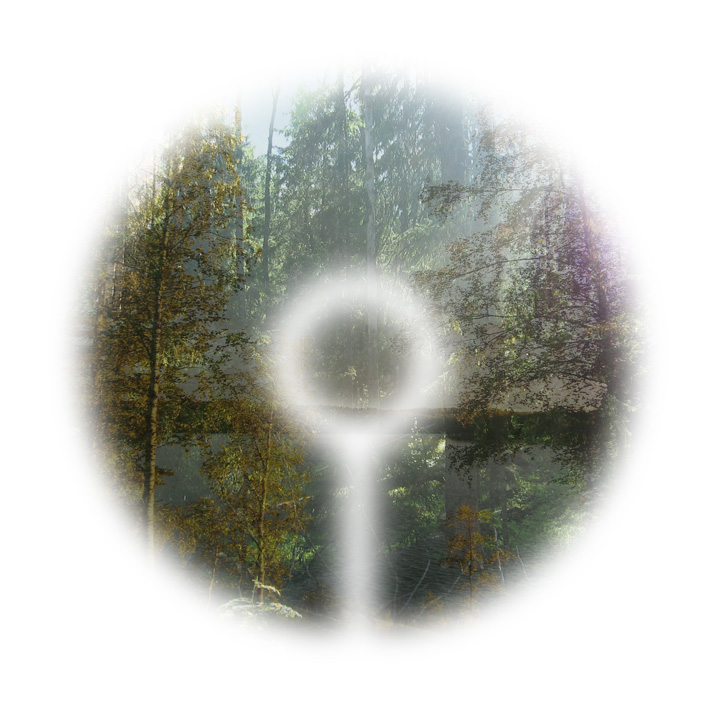
Imagine a clear lake in the midst of a vast forest. Fir, Birch, Aspen and Pine grow on its shore, rising side by side from a lush undergrowth of Blueberry, moss, grass and hay, supporting lichen-bearded branches. Lingonberries flower, the citrus scent of northern Labrador tea. On the shore, a rock to rest upon, to dip your toes from. Fish poking tiny ripples into the lake’s still surface, feeding on water striders nearby. The distant farewell of the cuckoo echoing across a clear sky of burning dusk. This lake is one of thousands of sweet water reservoirs left in Finland after the last ice age, just over 10 000 years ago.

The lake knows all four northern seasons well enough; how, during a few short summer months the sun barely kisses the jagged tops of the forest, driving both elk and man mad. The lake has also witnessed relief from the clutches of the long grey, damp and dark Polar Night arriving in soft, pristine layers and sheets of snow. However, during the last century, snow has arrived even later and the melting ever sooner - the time of White growing shorter year after year. Only dull and dread remain. But the lake remains untouched by the mental turmoils of man. The lakes waters have served as safe haven for massive flocks of migratory birds, and so it will continue to do until it either dries out or eutrophicates. Its ever-vibrant surface will continue to provide a skating alley for water spiders and shelter for all kinds of insect and spider eggs. The lake has seen and reflected all the shifts and shapes of the sky, millennia after millennia of constant change, itself unchanged, only played by the wind at certain moments. The lake knows that in time, even the most ferocious waves will calm, and ripples turn still. This is all the lake knows. But there is one one thing the lake is a completely stranger to: haste. The lake knows no haste. It is always now for the lake, or it will forever be soon enough. Either way there is nothing the lake could, or would do if it had the power to change the course of time.

And so it is, by the shores of this lake I wish to lead you with this mix, to find a space within yourself akin to the lake, to tune into the pulse of seasons.
— Utu Lautturi
 

Portals Episode 2: The Varpuja of Finland (by Utu Lautturi) d/l


Tracklist:

01. Brelo - Pohjoinen
02. Pekka Lehti & Outo Voima - Artsi
03. Mir-0 - Liplu
04. Salatullah - Orvokin lehto / Paavoharju - Olet maailman syli
05. Arktau Eos - The Urn
06. Arja Kastinen - Nietsivoo
07. Tenhi - Salain
08. Ous Mal - Oksat
09. Katajamäki - The Song Of Electric Whales / Pan Sonic - Comparative
10. Ari Porki - Spirit Of Ice Lantern

https://soundcloud.com/utu-lautturi
https://www.facebook.com/utulautturiartist

~

If you missed the first Portals feature on Modern Classical, you can read it here.



Voices From The Lake - Live at MAXXI


I haven't featured Voices From The Lake on ASIP that much, and I have no legitimate reason why really. I was luckily enough to see them play live last year, and individually Donato Dozzy and Neel's albums never leave my most-played pile - Dozzy's 'K' and Neel's Phobos two of my all-time favourites of recent years, and Dozzy's multitude of techno records and Acid Test collaborations are always first in line when I play vinyl out. Their infamous Voices From The Lake guise however, is a more irregular yet always welcoming spectacle. 

After spending hours absorbed amongst VFTL's original self-titled album from 2012, seeing them play live in 2014, and stock-piling as many of their vinyl EP's as possible in-between, I've come to the conclusion that these two are one of the most accomplished duos to grace our ears. They can make a dance-floor shake, they can hypnotise crowds (story for another time) , and on the other end of the spectrum, they create some of the most beautiful ambient music you could wish for. And, yet despite having the talent and skills to unleash infamous tracks one after the other, VFTL currently exist in this 'live' space which ensures that a listen to one of their albums is an unexpected, slow-burning, magical experience, often with one extra caveat...

There's always the one moment or chord change which will hook you forever; that moment of melody amongst a forest of mysterious sound; the appearing light after 30-minutes of progressive, bubbling textures have wrapped you tight.  In VFTL's first album, it was the majestic undercurrent of synth in S.T (creeping in at 1.35 minutes), like a ray of light. For their Live at MAXXI album, the duo restrained to the very last track Max, brought in Brando Lupi for guitar overdubs and unleashed... 


Live at Maxxi is a signature performance with the listeners journey in-mind, and I guess this is what makes these two so special as VFTL. Their appearances together are rare, and their recordings together even more so. But instead of sitting down and jamming in a studio, Dozzy and Neel seem to be true entertainers that thrive as a live duo. They could undoubtedly churn-out studio album after album, but I like it the way it is now - a pure unfiltered live journey with a euphoric ending. This approach made that last track even more special, put the rest of the album into perspective and induced even more respect than I ever thought was possible for the superstar Italians. 

Digital available at Bandcamp, with an LP arriving June 22nd. 


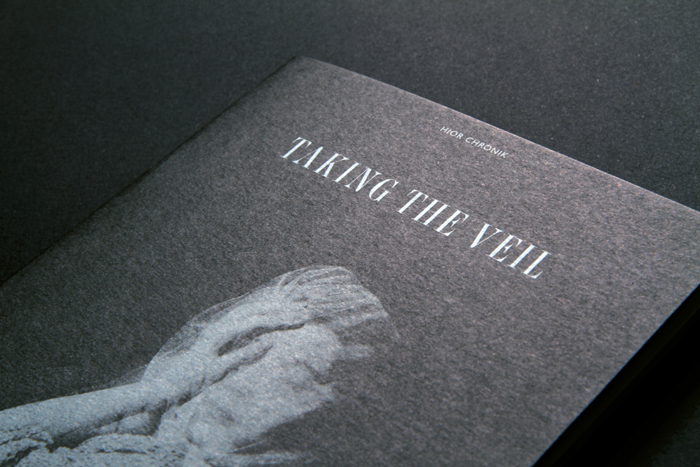
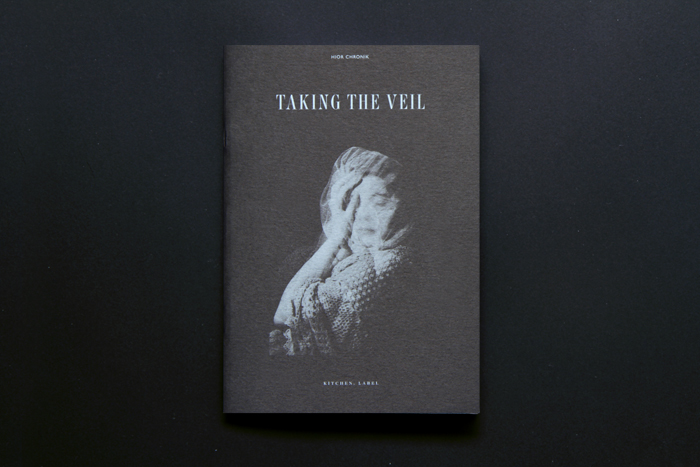
Hior Chronik - Taking The Veil


When I first listened to the Arovane & Hior Chronik demo many months ago, two things became clear regarding my understanding of Hior Chronik and his music: One, his touches are minimal but complimentary and powerful. And two, he seems to work extremely well with partners, or in collaboration.

Hior's most powerful work to date and his first 'solo' effort, stays true to those two observations. Taking The Veil, recently released by the esteemed Singapore/Tokyo based Kitchen Label, is a series of collaborations that place Hior's minimal, piano-focused compositions front and center alongside a number of talented partners. Included in the modest yet brimming lineup are: Field Rotation (Denovali Records), Aaron MartinSophie Hutchings (Preservation), Luup (Experimedia) and Japanese composers Yasushi Yoshida (noble) and Yoshinori Takezawa (Schole Records).

From such an extensive list of artists, you'd expect an album that spanned many styles as each artist took it upon themselves to shine. But here, the duos are never overly present and the album is a masterpiece in complementing Hior's core talent. Taking the Veil comes off in one fell swoop as an immersive journey into delicate and intricate tales told by a truly talented cast.

Hior's beautiful Piano-work is apparent throughout, adorning dreamy vocal tracks such as Between Two Rooms alongside Seiji Takahashi, and patiently backing Luup's enchanting Flute-work. The instrumentalists conjuring the paintings at-hand are unclear - Nest Of Autumn, alongside the uprising Sophie Hutchings (go check her free EP here) floats by so unassumingly that to think the two have only collaborated on this one track, is a crime. Hior makes it clear he has no intention of being the star of the show, but instead, has sought after the very best to help him along these vivid creations - an avid photographer, it's clear that Hior paints with music.


I'm a big fan of Field Rotation, and Oblivion is the defining piece of this album that would put some of the best Motion Picture Soundtrack pieces to shame. Oblivion could live amongst the likes of many Clint Mansell or James Newton-Howard scores - The Village  (a big favourite of mine) actually came to mind as this track unwound across the four, way-too-short-minutes.

Aaron Martin, who also stars on the upcoming ASIP release with Hior, pairs up in a similar manner to provide added texture to one of the most beautiful melodies on the album in Quiet Inside Your Chest. And if you thought the album would continue in a similar vein with the piano taking center-stage, Amber Ortolano provides a wistful and dreamy vocal across the tinkering bells of Sailing Away and Yoshinori Takezawa adds a child-like playful element to an otherwise very serious album in We Are All Snowflakes.


ASIP star Halo also graces us with another masterful composition. When similar talent like Pasquale and Hior collide, the roles in tracks like The Sense We Make become unclear, but as I mentioned earlier - this effect, most definitely intentional, is often hard to contain with such a long roster of collaborators. Hior's hand-picked roster has accentuated each of his productions, allowing every single track to shine in its own unique way - something single artists albums often struggle to do. The smallest of details from the producers featured here are given the room to grow.

What I love most about this album is that despite the intensity, the detail, and the assuming amount of effort gone into collaborating, Hior graces us with a couple of very magical unexpected moments: a short, but very sweet rendition of London Bridge Is Falling Down, and a cover of Little Dragon's track, Twice with album starlet Amber Ortolano giving her own spin on the unique vocals of Yukimi Nagano.

An irrelevant fact: Little Dragon's Twice was the very first track I posted here on ASIP some seven years ago - to see it recreated by Hior at the same time he prepares a release on ASIP gave me a small, token smile - and on a very personal note, sums up an absolutely brilliant album that touches on some of the finest moments of music I often seek. Taking The Veil presents us with thirteen delicate compositions and beautiful hand-crafted melodies, with each tracks' own unique, respected nuances left to shine and revel in the power of the multiple masters at hand. 

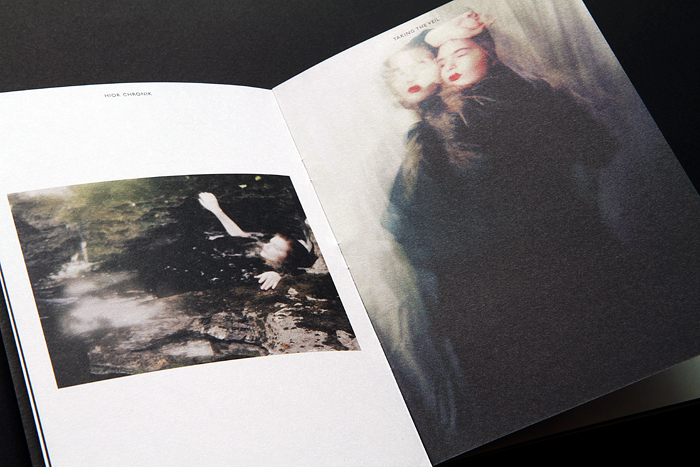
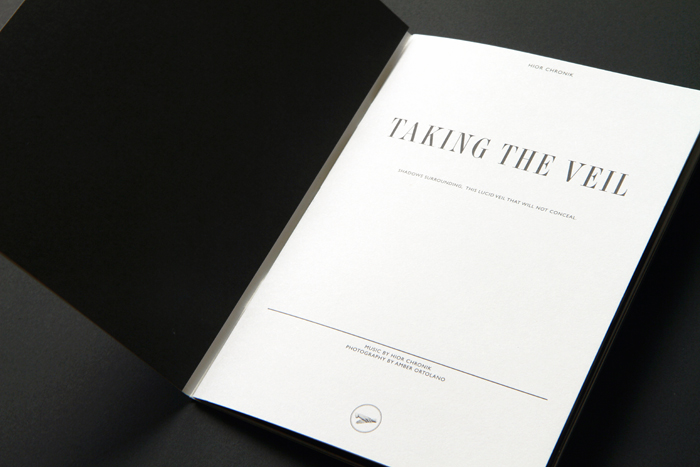
Taking the Veil CD available now at Kitchen Label which also includes the above pictured Art Book.

https://soundcloud.com/hiorchronik
Preview Hior's upcoming collaboration with Arovane.


isolatedmix 55 - Loess


I bet you can think of a number of notorious electronica duos you wish had made more music. There seemed to be a certain rarity to them a while back, and in the past ten years or so, many have submerged into the studio never to surface again. They probably live-on through a Discogs vinyl want-list, or a name that sits top of your mind every-time you go crate-digging - I'll just check under 'A' anyway... JUST in-case this shop somehow has an early Autechre record ...

One of these duos are Loess. Formed of Clay Emerson and Ian Pullman, their last release together was in 2009, but their heyday was back in 2002/2003 with an innovative self-titled album on Nonresponse and a defining IDM piece on Toytronic, titled 3D Concepts Part 2  - this slice of orange vinyl gets a reaction every time - an absolutely stunning piece of glitchy-beats underpinned by beautiful melodies. 

 
Sofar
Loess
 

Loess then followed up with a limited 7" on n5MD and an album titled Wind & Water. It was this album which seemed to solidify an IDM cult-following and an ever loyal fan-base, which has since been heard echoing the electronic music forums begging for more; comparing them to Aphex Twin or BoC amongst others, and reminiscing the defining days of IDM.

Loessisolatedmix transports you into the eclectic minds of two producers at the front of the IDM era of yesteryear - what their music and that style has gone on to influence nowadays is unquantifiable, yet their musical heritage can be traced back to numerous styles and influences. From the undeniable sound of Squarepusher, Autechre, Aphex and Boards of Canada, to dub and nordic folk; these are tracks that will always sit top of their minds irrespective of genre: "Each of these songs sound just as good today, as they did the first time we heard them".

A sentiment that's undoubtedly echoed when slipping on a Loess album. Luckily, the duo are working on new material and plan to be releasing new music in the future...

Download.


Tracklist:
01. Augustus Pablo - Burial Dub
02. Squarepusher - Lambic 5 Poetry
03. Arovane - Thaem Nue
04. Aphex Twin - Alberto Balsam
05. Mum - We have a map of the piano
06. Nick Drake - Road
07. Vasen - Slunken
08. Bibio - Quantock
09. Orchestra Baobab - Utrus Horas
10. Rhythm & Sound w/ Shalom - We Been Troddin
11. Plug - DBC
12. Boards of Canada - Everything You Do Is a Balloon
13. Autechre - Draun Quarter

Portals: Modern Classical

As described in the Portals introductory post,  this series is an attempt to help everyone explore more, maybe point you to something new, or change your mind completely about a specific style of music. It's a once-click down from the article I wrote on ambient music (Neither Scene Nor Heard...) and will likely go through the many styles described in there as the series progresses. Up first, a style that's taking on the old.

I won't be making an attempt at listing the best Modern Classical artists of today; instead, I will be looking at several artists whose influences or style may relate back to classical music, artists that could be considered as defining or even re-defining what we think of as Modern Classical and tracks that have introduced me to, or led me to explore more of this specific style of music. If you're a die-hard Modern Classical fan, then this post will hopefully help you open up to something more, or different. If you're new to the genre, it may be your way in.

To wrap a loose definition around the term Modern Classical, it's often defined as music whose influences stem from early classical music (the classical music you are probably more familiar with), as opposed to rock, pop, folk, jazz etc. 

This article by  Luke Muehlhauser, provided some great in-depth background on Modern Classical music, but I hope to bring a more ambient/electronic lens as a result of my own personal experiences. I do, however, echo his sentiments surrounding the exploration of the genre; it's pointless trying to make you enjoy all types of Modern Classical music, but I do hope you find something you enjoy, can relate to, and ultimately explore further.

I encourage your comments, recommendations, and experiences in the comments below so we can help one-another explore even more.

~

When I explain to some of my friends or family that I enjoy Modern Classical music, they find it hard to understand. All my years submerged in electronic music - how can I possibly like something like Classical music?! Classical music has connotations of 70-year-old men, dusty record shops with gramophones, or theatres full of tuxedos watching the back of a conductor. Modern Classical and the many artists pioneering it today are breaking new ground, crossing into electronic and ambient music, playing at major festivals, making techno music on the side (or vice-versa), and recruiting a much younger generation of listeners.

Recomposed By Max Richter: Vivaldi - The Four Seasons - Spring 1. (2012)

Let's start as close to the origins of classical music as possible. Max Richter is one of the best composers of the modern age and for many, responsible for defining Modern Classical music.

Richter will come as no stranger to many of us, and the renowned German/Brit is the epitome of Modern Classical music - forging the gap between the old and the new. In no production is this more apparent or beautiful, as Spring 1, taken from Max's reinterpretation of a classical masterpiece, The Four Seasons by one of Classical music's very own legends, Vivaldi.

Spring 1, combines an emotional, soaring Moog synth which juxtaposes the sharp violins paving the way for the introductory piece of the record. It's the Yin to the Yang, the old parallel to the new, and this electronic addition is the most obvious of elements you'll witness amongst Max's many modern and minimal takes on classical music we've heard in the likes of Memoryhouse and Infra.

Watch a video of the entire concert here and a clip of Spring 1, below with Max on the Moog.


Steve Reich - Six Pianos (1974)

Steve Reich is often talked about in the same vein as Max Richter, both namely responsible for the modern-minimalist movement, but in many respects, Reich may be an easier 'in' for many of us - his variations and experimental approaches are more likely to resonate with you at some point along his 40+ year career. 

His track Electric Counterpoint, for example, the source for samples in The Orb's Little Fluffy Clouds, and his most notorious release, Music for 18 Musicians, recently repressed for Record Store Day 2015 and his most celebrated and respected piece to date. 

But it's the 1974 track, Six Pianos which I've chosen to feature here. The repetitive pianos, whilst absent of any obvious emotion we heard in Max Richter's piece, are something I've come to see and respect within performances from the artists of today. The ability to hang an audience on single notes, or these repetitions, for minutes on-end... it takes a special someone to pull that off. 

Six Pianos
Steve Chambers, James Preiss, Russ Hartenberger, Bob Becker, Steve Reich & Glen Velez

Ryuichi Sakamoto - Completion (2007) (With Christopher Willits

Ryuichi Sakaomoto is another artist responsible for injecting new life into classical music. His extensive list of collaborators ranges from: ambient and experimental visionaries such as Taylor Deupree, (here playing an experimental set at St Johns for 
Boiler Room)  Fennesz (here combining Fennesz's fuzzy electronics in the classic piano track, Amore) David Byrne (here for The Last Emperor Soundtrack) Alva Noto, (here layering keys amongst the static and glitch of Raster Noton's finest) and the track chosen here alongside Ghostly's ambient star, Christopher Willits, combining textures on
Completion. 

Sakamoto may not be down as your most obvious Modern Classical character, but he's a prime example of an artist pushing the boundaries of what we may have previously deemed classical. Starting as a member of Yellow Magic Orchestra and going on to record such infamous piano compositions such as, Merry Christmas, Mr Lawrence (still a big favourite of mine - watch a live recording here), he's brought the piano to the world in as many guises as physically possible.

Completion
Willits + Sakamoto

Nils Frahm - Said And Done (2013) (pictured)

The German is single-handedly responsible for making me fall in love with this type of music all over again and Said And Done is just one example of Modern Classical at its finest. 

The track features three parts which repeatedly sends shivers down my spine. First, the sustained keys - I've seen Nils tease out the audience with this section for what seems like hours on end. Second, this (sometimes aggressive) playing eases into the track's gentle melody, which oozes with melancholy. Until third, the keys are once again pounded with such significance you wonder if Nils is even human - head down, beads of sweat breaking across his brow, arms drawn across the stage... and then it hooks you.

Spaces, his 2014 release, was without a doubt my favourite album of the year and whilst pieces like Said And Done are strictly piano, Nils continues to push the boundaries with his modern take on classical music, combining vintage synthesizers, custom piano builds (the largest piano in the world), dub-remixes for Jon Hopkins, his very own Piano Dayand more recently debuting a motion-picture soundtrack for Victoria.

The below video isn't of Said And Done, because to single-out this track amongst Nil's performances wouldn't do it justice, but if you're familiar with Nils, you probably already know the track. If you're new to Nils, then watch the below and have your mind and ears blown. 

Said And Done begins at around 17 minutes.

Ólafur Arnalds and Alice Sara Ott - Verses - The Chopin Project (2015)

I found the following Youtube comment on one of Ólafur Arnald's videos for his recent Chopin project: "Chopin published the 3rd Sonata in 1844, Arnald's published this is 2015 ... There's 171 years of music in this 4 minute video"...

Just like Nils, Ólafur has been one of the biggest and most talented stars to emerge from this music style, bringing the pure beauty of a piano to the masses of people who now flock to his concerts and shows globally. Quotes like the above really put the gravitas of Modern Classical into context, and go to show that good music never really goes away - it just gets reinterpreted, sampled or built upon for new audiences who are willing to listen and learn. 

Ólafur began his career in a Heavy Metal band and to this day consistently reminds us of the power behind a composition. He integrates powerful vocals in For Now I Am Winter, writes music for Broadchurch, combines classical elements with dance music as Kiasmos, and here, with Alice Sara Ottreinterprets the legendary Polish virtuoso Pianist, Chopin.

Verses
Ólafur Arnalds & Alice Sara Ott

Dustin O'Halloran - A Great Divide (2011)

This entire article could go on to feature many of the stars grown by the brilliant Erased Tapes label. From Germany's Nils Frahm, to Olafur Arnalds' early works, and Portland's Peter Broderick, to more recent label additions such as "the fastest pianist in the world"; Lubomyr Melynk, veteran composer Michael Price and the soaring beauty of A Winged Victory For The Sullen. The latter of which, formed of Adam Wiltzie (of Stars Of The Lid fame) and self-taught pianist Dustin O'Halloran

Dustin's release Vorleben, on the brilliant Sonic Pieces record label in 2011, seemed to be a defining piece for the American pianist and label alike. The Berlin based collective, now synonymous with some of the very best modern-classical music, housed early Nils Frahm albums such as Wintermusik in 2009, Otto A Totland's short and minimalist album, Pinô, and the Norwegian dark-ambient pairing, Deaf Center.  Despite playing a modest part of this well-respected label's growth, it's Dustin's work as one half of A Winged Victory For The Sullen which has propelled him, and in many respects, Modern Classical music, forward. 

Whether you prefer your piano blanketed in ambience alongside slow riffs from Adam Wiltzie in AWVFTS (read a live review here), or more classical compositions from Dustin's individual work, productions such as A Great Divide highlight just how accomplished this man is, alone or accompanied. 

Ben Woods - Fond Of You (2014)

Diving deeper into this particular style, I have a long list of ambient artists that could be seen as having Modern Classical influences. I'll create a separate Portals specifically for those artists, and they'll likely creep-in when I focus on Soundtracks, or dive into ambient music specifically, but for now I wanted to just keep it to one track and mention a few should you want to be eased into this softly-lit world. 

Strictly speaking, ambient music tends to go one of two ways for me. Either electronic, synthesized sounds, accentuated by samples or analog instruments. Or, where Modern Classical is concerned, instrumentalists adding textures, or even playing textures through piano, strings or guitar. Sometimes they're classically trained, or as I've learned, in many instances have no training whatsoever, and have simply mastered programs like Ableton. 

There's a whole world of these talented pianists, cellists, guitarists, and violinists that form the back-bone of much of the ambient music we hear today. They deserve to be credited with opening our ears to the powerful and evocative styles behind Modern Classical music; be it hidden amongst textures, or in Ben Woods' case, playing the lead role in the beautiful track, Fond Of You.

This more ambient focused approach can also be found in the likes of: Helios, Brambles, Halo, Hior Chronik, Jacaszek, Arc Of Doves, and when leaning more towards soundtrack styles: Bruno SanfilippoRhian Sheehan, Levi Patel and Luke Howard to name just a few to get you started... Expect more to come on this particular style of music in another Portals.

Christina Vantzou - VHS

I wanted to represent a few different styles throughout this post and Christina Vantzou's VHS does just that. Her experimental and omnidirectional take on Classical music is a refreshing and bold approach to reconstructing music. 

I was lucky enough to witness Christina at Substrata Festival a few years back, where she orchestrated a specially commissioned string-quartet, dancing around on stage bare-footed, her artistic qualities were evident, as are they in VHS, with its haunting 
instruments and hypnotic accompanying video.

Instead of crafting extended, complicated compositions, Christina can be found creating minimal, experimental stories, often focusing on string instruments, but as with VHS, combining a multitude of different approaches, tones, and emotions. 

Christina's albums on Kranky also provide the perfect entry point to explore a further multitude of artists that touch the Modern Classical realm; throughout her self-released remix albums No1 and No2. Loscil, Motion Sickness of Time Travel, Koen Holtkamp, ISAN, and Dustin O'Halloran are just a few artists who stepped up to reinterpret her works.

My favourite track of Christina's may actually be Going backwards to recover that which was left behindbut VHS provides a slightly different perspective to the music featured here. If you're in need of more experimental artists that have their own non-traditional approach, I'd also recommend Hauschka, whose prepared piano is an absolute spectacle. 

Jeff Mills & The Montpelier Philharmonic Orchestra (2005)

You may be aware of Aphex Twin's Remote Orchestra? It received mixed reviews, but his intentions were never faulted and at the very least it gave birth to this rather beautiful remix of Rhubarb. The idea of controlling a 48 piece string section and a 24 strong choir by remote control, using a host of electronics, midi controllers, and remote visual cues wasn't RDJ's finest moment, but it was a stroke of genius, going one step further than anyone else looking to smash down any musical boundaries.

For the techno enthusiasts amongst us you may also remember Carl Craig stepping up in front of Les Siècles Orchestra - another great example of two musical worlds colliding. Or earlier in 2005, another techno legend, Jeff Mills, playing alongside The Montpelier Philharmonic Orchestra.

For anybody my age growing up listening to electronic music, it's easy to recognise the classical elements or instruments in techno tracks; the piano leads of early house music, the Strings Of Life we came to recognize, but it's extremely hard to imagine them ever becoming so apparent. That is, until you witness the natural harmony between electronic musicians on stage backed by a 909 and fronted by an Orchestra. It's hard to not fall in love with what the likes of Jeff Mills, Carl Craig, and Aphex Twin have done for music across the board - irrespective of genre. 

The integration of classical instruments and the world of techno/electronic music can also be flipped completely on its head. From electronic music integrating classical, to classical music mimicking electronic. 

Irrespective of genre or label, these reinterpretations of early electronic music over the past few years have opened up my eyes to how powerful string, wood, and brass instruments can be, even without a kick-drum. In the same way I witnessed Jeff Mills and Carl Craig on stage in-front of an Orchestra, playing some of my all-time favourite tracks in a completely different manner; these performances gave me a whole new-found respect for anybody mastering these instruments.

Alarm Will Sound took on Aphex Twin with their version of Blue Calx (coming the closest to matching RDJ's original), but The Williams Fairey Brass Band may just be your favourite find of the article. Covering early 90's acid-house tracks from 808 State, The KLF, and A Guy Called Gerald, if this doesn't make you want to seek out the potential of a Trombone, then I don't know what will...

Moby - God Moving Over The Face Of The Waters (1995)

Lastly, something you probably weren't expecting: a track that cut straight through a plethora of electronic music during its most celebrated age, a CD full of rave music, a track that many people wouldn't consider Modern Classical, yet if played live would probably be one of the greatest performances of our times without the need for any electronic instruments at all.

God Moving Over The Face Of The Waters by Moby may be boxed as ambient, soundtrack or just simply instrumental, but it has all the elements of an epic orchestral performance. If you ever doubted the use of classical instruments, strings or piano in music, then this track could be your way in, as it was for me back in 1995.

I'm not sure if Moby has ever played this live with an orchestra but there's an amazing similarity between this song and many of the artists mentioned in this article. Moby gets a hard-rap nowadays, but he gets my nod for somehow producing one of the best instrumental tracks in the past twenty years and for being one of the very first people to make me think,"Wow. The strings and piano in this are really something, I wonder what else is similar?"...

God Moving Over The Face Of The Waters
Moby

~

Portals Episode 1: Modern Classical d/l

Tracklist:

01. Recomposed By Max Richter: Vivaldi - The Four Seasons - Spring 0 & 1
02. Nils Frahm - Said And Done.
03. Willits & Sakamoto - Completion
04. Dustin O'Halloran - A Great Divide
05. Ólafur Arnalds and Alice Sara Ott - Verses
06. Christina Vantzou - VHS
07. Ben Woods - Fond Of You
08. Jeff Mills & The Montpelier Philharmonic Orchestra - Imagine (Blue Potential Version)
09. Moby - God Moving Over The Face Of The Waters
10. Steve Reich - Six Pianos