Sasha

The Art of Showing Up and Happy Accidents: Charlie May on three decades of electronic music


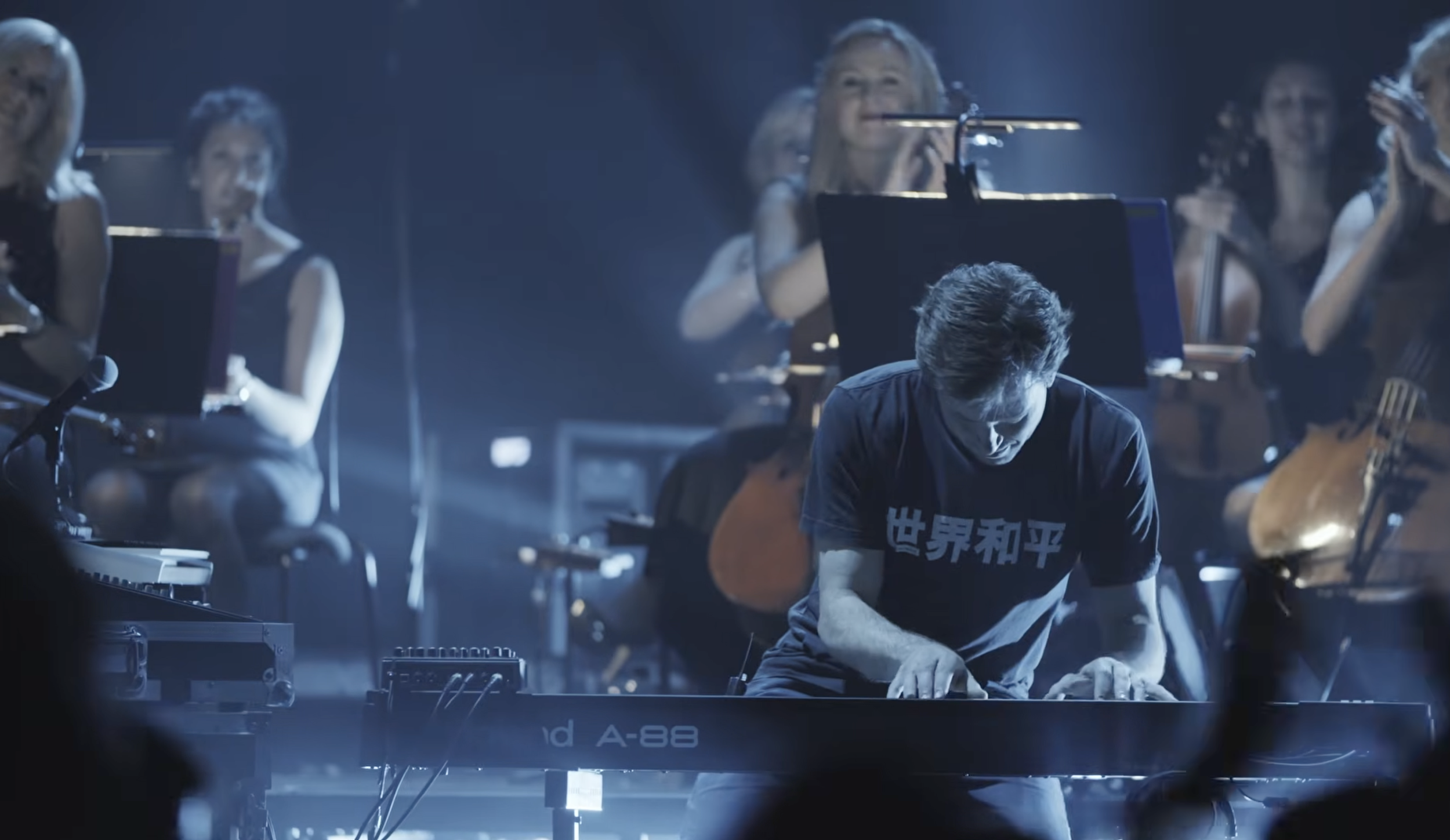
Charlie May Live at the Barbican for Sasha’s Refracted Tour

Few artists have left as significant a mark on electronic music as Charlie May. From the formative days of UK electronic music as one half of Spooky, to his longstanding creative partnership with Sasha and his pivotal role in records such as Xpander, to his releases here on ASIP as part of Quiet Places. Charlie has been responsible for some of the genre's most significant moments - and many of my own personal favorites.

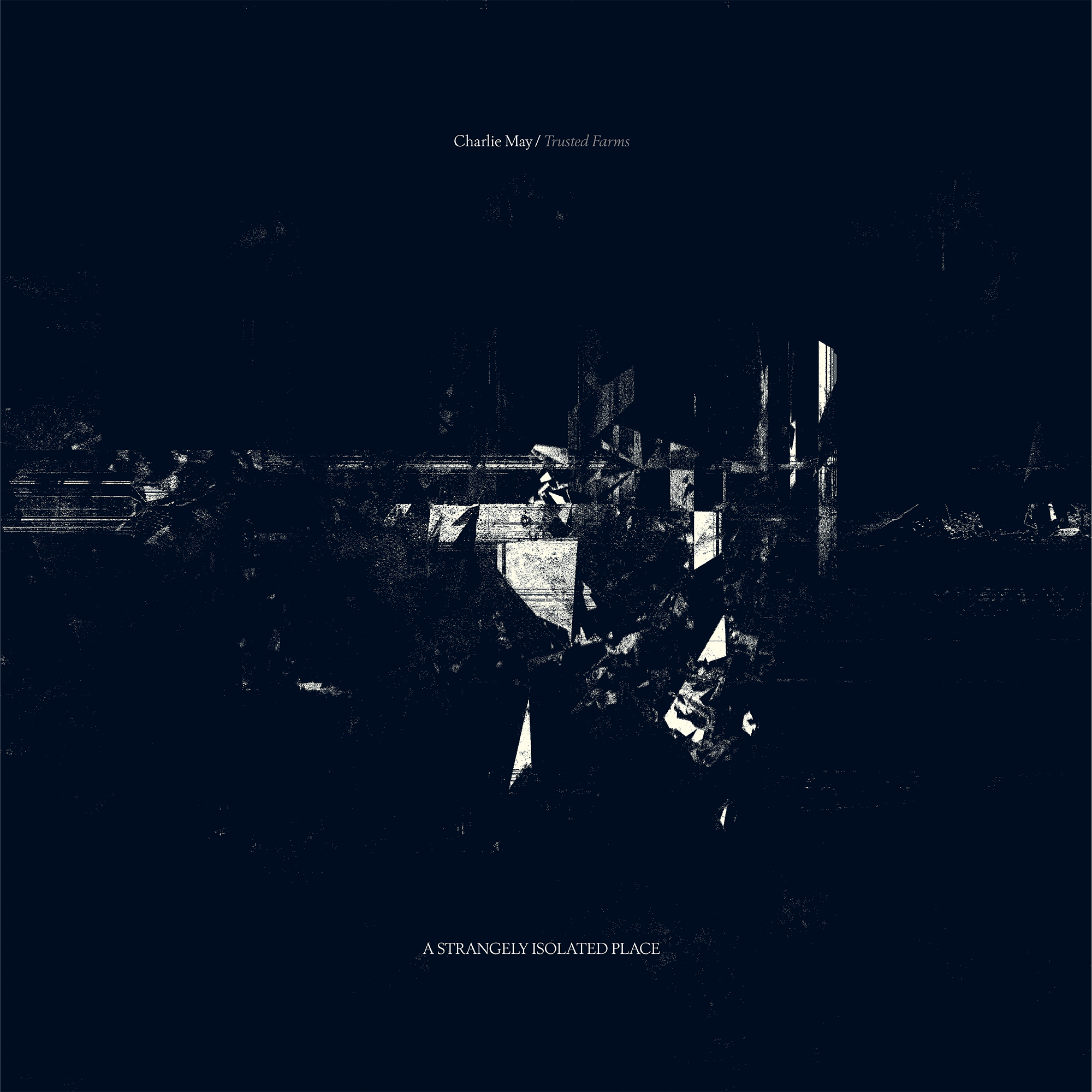
Charlie’s latest album here on ASIP, Trusted Farms, provides us with yet another small glimpse into his beautiful mind. The album marks his first solo album on vinyl, bringing together a collection of beatless compositions, some of which have been quietly taking shape for more than a decade. Trusted Farms reveals the melodic instincts, experimentation and unmistakable production touch that have defined his work for so many years, boiled down into a succinct and emotionally charged 12”.

Getting to know Charlie through this release, there's a certain humility that feels increasingly rare; an artist responsible for some of electronic music's most celebrated moments, yet one who has always seemed perfectly content to remain behind the scenes, letting the music speak for itself.

It's therefore a real pleasure to bring Charlie into the spotlight for a small moment, and share the words, stories and insights of someone who has been such an inspiration to us over the years.

ASIP: I wanted to start at the start… with Spooky. But I don’t think there’s much detail before then out in the world. So, who was Charlie May before Spooky?

Charlie May: Duncan and I grew up together so we had been mucking about in bands for years prior to forming Spooky. Obviously the arrival of acid house had a huge impact on us. I had always been into music, taping things off the radio. Singing in school choirs. I learned the piano from age 4 and started improvising and making my own music soon after. I used to mess about with 2 cassette decks, recording between them and overdubbing parts. I still find that process fascinating - the way that two or more musical parts or sounds combine.

One reason I got into music in a big way was due to being sent away to boarding school when I was eight - music was a big part of the curriculum but also an escape. This is a long time ago before the advent of even the Sony Walkman. I still remember the first time I put on a pair of headphones and heard stereo sound. It blew my mind. Truly a transcendent experience. So I heard and performed quite a lot of choral and classical music, often in spaces with great acoustics. Now i just dial up a plug-in to get the same effect. Every bit of free time I had I would sneak off to the music rooms and mess about on the piano. Eventually forming bands which was frowned upon in those days. I still feel a sense of rebellion going into the studio to make music. I aspire to upset grown-ups to this day.

When people talk about early Spooky now, there’s inevitably a historical importance attached to it. An evolving scene/genre, defining albums and remixes that I’m still digging out of old compilations today. How would you best describe this time of your life and your fondest memories?

We were extremely blessed to have been a part of the early wave of house and techno in the UK. Right when the technology became affordable enough to make records at home. It was a diy punk ethic. So many factors came together to create this highly vibrant and creative scene. It was certainly heady and I remember being carried along by the collective energy. We worked hard at it but it wasn’t really work. So much talent was concentrated into this small scene which spread all over the world. Looking back it seems dreamlike. Being young meant having the energy and stamina to go the distance too, so 3 day studio sessions with little sleep were completely fine. There was no hard disk recording, no mobile phones and no internet. Yet this futuristic music was everywhere. It was in many ways far simpler than today. At the time I thought it would last forever and in some ways that has turned out to be true. I certainly enjoy making music as much if not more today. Everything changes subtly and then one day you look back and think ‘how did that all happen’ ? It was a blast for sure. I try not to forget how pure and uplifting those times were, also a bit rough around the edges. Unlike today it felt truly anarchic, there was no one in charge telling you what you could or could not do or say.

You’ve made a return with Duncan lately, and a new album this year titled Lucent, as well as energy around remix EPs from the likes of Alex Kassian. I think many Charlie May fans will know you have been busy behind the scenes and probably never stopped creating music for many years now, but what spurred this desire lately to put out new releases?

Pure coincidence really - it just happens that way sometimes. Both Duncan and I have been doing our own thing as well as occasional Spooky tracks for years. He has his label 49 North and various collaborative projects. I put out quite a few releases on Bandcamp as well as doing remixes. Writing mainly. I try and write some music every day.

How much do you allow the history of Spooky into the room? Are the old records useful reference points, or are they something you deliberately avoid looking towards?

It’s great that as time goes on the early tunes get new leases of life through a younger audience and dj’s discovering them or through remixes / re releases. It’s important to curate the story and protect what happened when. Other than that we don’t dwell on the past. I always want to try something new in the studio - see where it leads. Electronic music is truly boundless and that sense of anything is possible is a reason to continually move onto fresh turf.

One of the things I’m sure took up a bunch of your time was Sasha’s Refracted tour. I wanted to first say, the recording of that at the Barbican, and the live video is, to me, a defining moment in electronic music. I was gutted to not see it live, but living vicariously through the recordings is enough to give me goosebumps each time. Reflecting back on this and your key role within it all, how do you feel about it now you’ve had a few years away from it?

It was quite an experience for all of us - especially for a bunch of studio rats not used to performing live. It was tough going at times but because of the people involved we managed to produce something special I think. I loved the shows and would jump at the chance to do something similar again. When it all comes together and the music finally gets played to an audience there’s a welcome sense of completion. But we were blessed to be a great team of people. I think that’s the most important ingredient.

Can you tell us a bit about the process of reconstructing dance music for this type of setting? And why you think it worked so well?

We took the approach that there were to be no laptops or computers on stage - so everything had to be played with hardware or real instruments. Which is obviously quite a tough route to take but it paid off in the end. The whole show was painstakingly built from the ground up. It took a while and there were constant changes and adjustments. We had to learn new tricks along the way. When you have someone like Barry Jamieson on board who can solve any technical issue, plus a top tier monitor engineer and stage manager to keep law and order it raises the potential of what the collective can achieve considerably.

“I put hours of effort into trying to be a good producer but in the end the best results are graft accidents.”
— Charlie May

I would kick myself for not taking this opportunity to ask you for your story on Xpander. Of course, you were instrumental in the development of that EP, but can you tell us in your own words how it came about and the relationship that developed with Sasha after?

It started life as a track in the Spooky live show when we were touring with Megadog. It was more of a breakbeat vibe but we couldn’t get it to gel in the studio so it got put on the shelf. Fast forward about 5 years and I met up with Sasha who asked if had anything useful lying around that we might work on. I remembered I had this riff on an old DAT tape and played him that. He got very excited and that enthusiasm breathed new life into it. I think the moral of the story is record everything and don’t throw anything away in case someone else has a better idea. After that we just kept working together as we were on the same page. We did Belfunk as a result of messing about with Orbital’s Belfast. You can never really tell how things are going to work out.

There’s a temptation with a record as revered as Xpander to assume everybody involved knew they were making something important. What did it feel like in the room at the time? Was it painstaking, exciting, ordinary, frustrating?

The whole Xpander process stretched out over a period of time. There were a few attempts at mixing it that I remember. Then there was the Wipeout version. We knew it was strong musically but that’s only half the battle. So it was a bit of a rollercoaster. A lot of tracks end up driving you nuts at times. When it was done we knew it was finished. Can’t ask for more than that really.

Do you remember the smallest decision on Xpander that ended up making the biggest difference?

Probably the decision not to go to the boozer / curry house for once and actually continue working instead.

Dennis and Dave of Quiet Places were a part of the Refracted tour playing live alongside you. Is it fair to say that was the early seeds of the Quiet Places project, in so far as you working closer together and understanding each other musically?

For sure - we started Quiet Places as a way to decompress from the punishment of the live shows. It was a natural reaction to want to make new music that was very free floating and unrestricted. Hence we decided on two rules : no grid and no beats. I very much enjoy making those albums -  the process is therapeutic, except for Dennis who has to clean up everyone’s audio mess and make it sound like an actual record.

We know about the formation of Quiet Places and the many whiskey-fuelled jam sessions that spawned those deep trips. I feel like this format of long form albums is really under-appreciated, but for those that get it… they really get it. In today’s ‘Spotify age’ of previews and playlisting, these albums completely buck the trend. What are your thoughts on this approach you’ve undertaken with Quiet Places? Do you see the act of listening to long form more like a chill-out room experience? Or is it the storytelling aspect, through samples etc?

A record like that can function in different ways - as a backdrop to some other activity or post club winding down. Or it can be music to drift off to. Or taken in its entirety as a story, like a movie.

I have recently trained myself to sit down and listen to albums from beginning to end without pause or distraction. It has to be played on a quality system, then your brain receives every detail and nuance. It’s a very different experience that ends up being transcendent and nourishing. We have become accustomed to skimming over the surface of a rich culture and missing out on so much.

A 40 minute album can literally change your life for the better if given the appropriate attention.
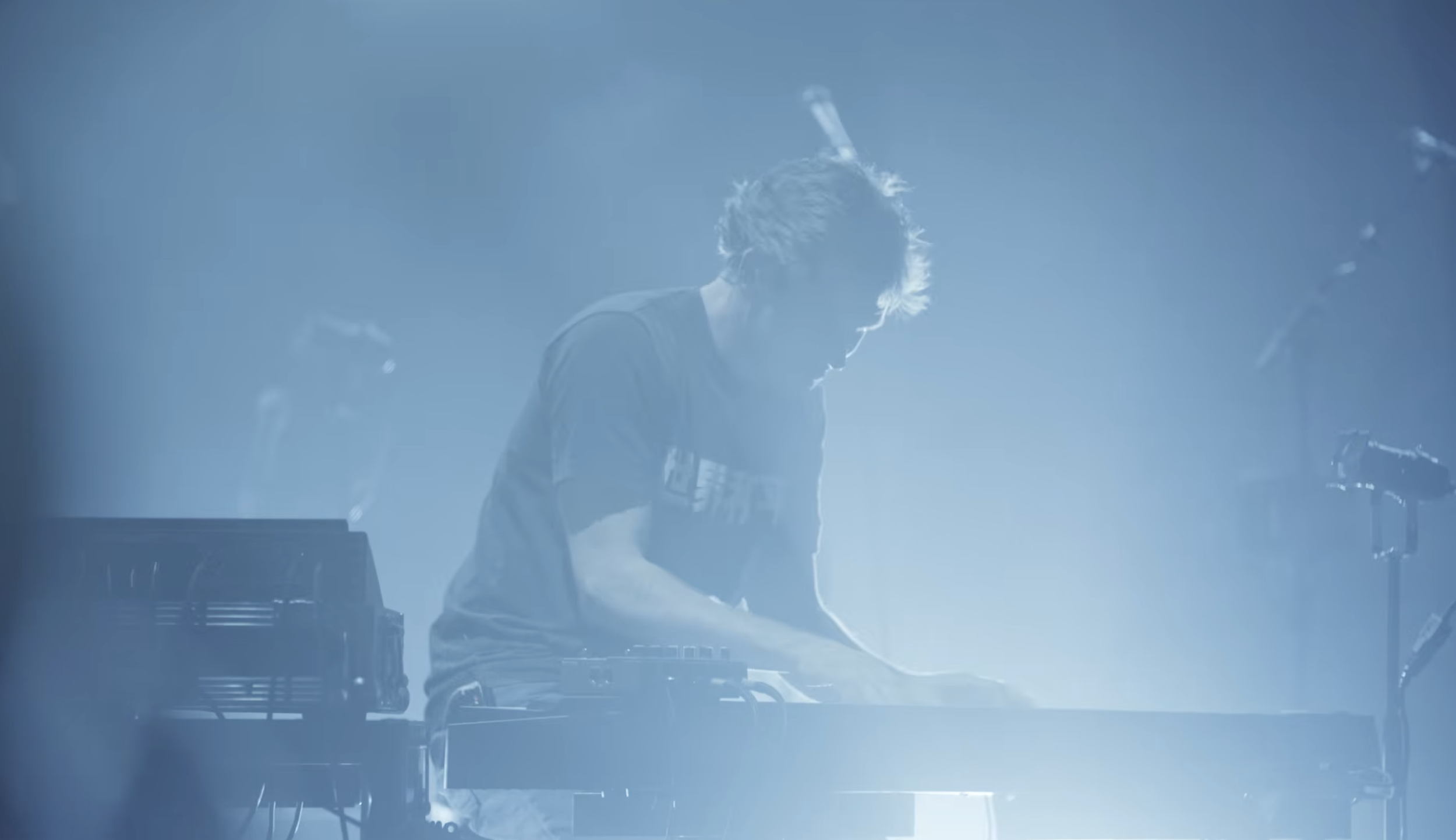
Charlie May live at the Barbican for Sasha’s Refracted Tour

In the Trusted Farms album notes, we talk about you being great at writing short phrases and riffs that become inseparable from the track around them. And the evidence out in the world is clear that you’re brilliant at it. Where does that instinct come from — playing, repetition, sound choice, classical training, experimentation, or simply knowing when you’ve stumbled onto something?

Making any art is mud slinging, then clearing away what isn’t necessary until you like it. Then sling some more mud. I put hours of effort into trying to be a good producer but in the end the best results are graft accidents. I do think those chance events and the chances of them occurring are increased by showing up regularly. Also breaking old habits and getting out of your own way. Having lots of ideas is great but that’s a long way from a finished record. I like finishing records but that’s also the part I find challenging and have to have a little bit of luck go into the mix. Also I make heaps of crap - masses of it. That doesn’t matter. Some of the best results start off as rubbish.

You have said in the album notes that working alone is only possible because of the collaborations you’ve been involved with. Who taught you something in the studio that permanently changed the way you work?

Everyone I’ve worked with has taught me something I didn’t know. Even people I have worked with for years are still full of surprises. I remember very early on being in the studio with William Orbit and being blown away by his talent and technique. He was the original studio wizard that inspired so many of us when we were starting out doing this stuff. He wasn’t in a fancy studio being fluffed up by minions and technical staff. He was doing it all by himself in the front room of his house and it sounded unbelievable. He wasn’t afraid to destroy what he’d just created and play it backwards at half speed to see if that worked better.

William was obviously a very sad and big loss this year. Hundreds if not thousands of us are probably revisiting your (Spooky) remix of Water On A Vine Leaf as part of the Northern Exposure reissue in the last few weeks - a reminder of your symbiosis together as label and remixer and a milestone moment. How was he as a label owner? What did he do in those early years to set you up for success?

William was really a silent partner in Guerilla, most of the day to day was covered by Dick O’Dell and Karen Howarth. Although his influence was obviously felt musically in terms of the label output. Many of the releases passed through his Guerilla Studio in Crouch End at some point. His technique in the studio influenced many of the artists on Guerilla at that time. We were pretty much left to do what we wanted - a few singles and then someone suggested doing an album so we kept going. It was all fairly loose. Just a great roster.

Guerilla shared an office with Loud and Clear and Hard Hands and the Darling Department so there was always plenty going on in terms of DJ’s, clubs and record promotion.

“Electronic music is truly boundless and that sense of anything is possible is a reason to continually move onto fresh turf.”
— Charlie May

Some people might call Trusted Farms an ambient album because it’s beatless. But it feels to me like unlocking a special treasure trove of melodies and moments from one of electronic music’s best producers - vignettes of hidden chapters. What does this album mean to you in the grand scale of your career? What milestone, if any, does it represent? 

It’s my first album release on vinyl which is cool - I’m not sure why it’s taken me so long to get that together ?! I’m not one for self promotion so I end up with stacks of unreleased music and no label. Hopefully I can start compiling and releasing some of this beat-less work now as albums.

I know it’s like choosing a favorite child, but is there one track from the album that stands out for a specific reason in its production, or meaning?

Not really ! Hopefully the record flows well and makes sense as a whole. I like that some of the tracks started life years ago. Copper Beech is at least ten years old. Also that a track like ‘Just Nerves’ is played live from beginning to end in one take. I had this great sound going through a guitar amp so hit record and played it. That sort of thing doesn’t happen very often. 

Can you tell us a bit about what you envisioned for the artwork for this album and what it means to you in its final form from Peter?

With artwork I know what I don’t like more than what I like which hopefully means I am open to discovering something new. I didn’t want a loud sleeve but rather something to compliment the black vinyl. Apparently there a few loose turquoise vinyl versions out there which is cool. When I saw Peter’s work I immediately knew it was perfect for this record. 

In a previous interview you talked about the need to scratch an existential itch and your music representing the edge & bittersweetness of life. Where does Trusted Farms sit with this ambition?

I really do spout utter rubbish sometimes .. I mean making records is therapeutic so it serves a medicinal purpose. I think the making of and listening to music is so subjective that it can’t really be pinned down. It does help make sense of the human condition and provides a common language of sorts to that end. It’s not meant to be entirely figured out otherwise where’s the fun and the mystery. With Trusted Farms it wasn’t really until it was finished that I thought ok now it has a function and purpose. I hope that it makes people feel good afterwards, like a decent meal. Not the grandest but nutritious nonetheless.

And for aspiring producers out there looking to come even somewhere close to what you have achieved over the years, what piece of advice would you offer them?

Stay true to yourself, don’t feel you have to fit in anywhere. Play to your strengths even if they seem insignificant at first. There’s a magic that comes into play with music making. You just have to keep showing up, especially when things aren’t going too well.

~

Charlie May / Trusted Farms is available now.

Listen to Charlie’s isolatedmix from 2020.

 

Portals: Classic Trance Loops (Hypnotised)

 
TRANCELOOPS_VINYL copy.jpg

Our next deep dive for the Portals series sees a revisit to a genre of music that heavily influenced ASIP growing up. Yes, cheese-and-chords in their full glory; classic Trance music.

Love it or hate it, I embrace classic Trance music for its brilliance of the time, and the impact it had on me (and indeed electronic music) growing up. I’ve mentioned before how the chill-out side of Trance music was one of the many avenues to open me up to more electronic ambient music. But this isn’t the path we ended up taking for this Portals feature…

This mix doesn’t come about by chance, or due to the fact that Trance is back in style (thanks to a number of techno DJs integrating some big Trance hits into their sets, or full releases getting the remix treatment 25 years later). It’s a mix I have considered making for a long time, where I could make use of my shelves full of Trance vinyl. But over the past year or so, I have been in conversation with Arjan Rietveld who has recently published an entire book called ‘Hypnotised: A Journey Through Trance Music (1990-2005)’ - a deep dive/encyclopedia on the classic Trance sound, that covers “its proto to seminal periods, through to its ascendance and glory years”, across “500 essential records, 75 record labels and 25 albums, with in-depth interviews with 35 influential artists and label owners”. [buy]

It’s the first book of its kind, and for anyone who enjoys the sweet spot of classic Trance music in the late 90’s and early 00’s, it’s an unmissable factoid and commentary on the prime era of the scene. I wanted to support this new encyclopedic endeavor even further and had the idea to pull together some kind of mix here on ASIP to also shine a light on the launch of the book; on the many angles of classic Trance music; and also invite Arjan to provide a bit more detail surrounding his passion project (which follows further below) to round out the feature into a full-on Trance deep dive.

Originally, I wanted to pull together the ambient-leaning side of Trance music - a side that is often misunderstood as questionable chill out music (i.e the ‘Chilled Euphoria’ series) or when done well, many of Global Underground’s Electric Calm mixes by The Forth, and the second CD of this Platipus Beginners Guide. But what may have been originally conceived as an Ambient Trance mix for this Portals feature, quickly took a new direction.

For me to highlight the many Ambient Trance genres, sub-genres and styles, became a daunting task. It’s something that can go many ways depending on your upbringing (and geographic location), such as early 90’s psy/goa in style, acid+breaks, Ambitrance, Euro-trance remixes, or even the 00’s Space-Ambient style. All are often grouped around an ‘Ambient Trance’ notion, depending on your own subjective experiences, and it quickly became a massive task to whittle it down to one mix without going all genre-police on myself. So instead, I came up with a different concept and approach, taking inspiration from Arjan’s book title ‘Hypnotised’, the period, labels and artists that are a part of the book, and the idea of providing “a journey through Trance music”... 

What could be more hypnotizing than Trance music itself? 

The result is the accompanying mix, titled Classic Trance Loops, which was created by sampling specific segments of vinyl records from my collection.

Each sample was ripped, digitized, and played back/edited live on CDJ’s looping feature, and further re-recorded as a continuous max~3-minute looped section. Then, it was all compiled into one mix in Ableton. (Note, I fully understand there is likely a much easier way to do this with various bits of gear, samplers, Ableton etc, but I enjoyed the process of doing it this way, as it both made me revisit my record collection and mess with my CDJs, which is a treat and a rarity nowadays - I’m a tactile DJ at heart). 

Once the core of the mix was compiled in Ableton, I realized it could do with some finessing by someone who knew a lot more about the tool than I do. (I know enough to be dangerous, and with 50+ tracks, multiple sample levels, vinyl noise, and tonnes of loops, it needed a bit of love and external ears). So, as lost brothers in Trance, and one of the best DJs I know, I handed the project off to my good friend todos, who ran the project through his extremely detail-oriented ear, to clean up the sound, artifacts, levels, adding some effects, and giving it a polish (as much as I could have set him up to polish it anyway - ‘You can’t polish a turd, but you can throw glitter on it’, the wise man once said). The end result is a true collaboration between us both which I’m also very proud of making happen. todos will modestly tell you he didn’t do much, but trust me, he did, and I publicly apologize here to todos for so many versions back and forth!!

Ultimately, the mix is a quick-moving snapshot of some of the finest classic Trance moments, without you ever needing to hit the club (unless you’re ok dancing and waiting forever for the drop). It tantalizes those memorable moments found in breakdowns or the euphoric signature synth lines, reminding you of special melodies that will undoubtedly come flooding back in a second. Plenty of classic Trance tracks and loops were recorded in preparation and were unfortunately left on the chopping board, but it was a tough enough job to get these ones sounding (relatively) coherent.

Note, it’s not the expected ambient that you see around these parts either, if that’s what you’re here for. But it is definitely sequenced for more downs than ups; suiting a more horizontal/storied listen;  and is hopefully a journey within itself. In a similar way to how I approached the Portals KLF (A New Dimension) mix, it’s meant to be a fun listen and to compliment this feature as a whole. We hope it stirs some moments of joy and reflection to whatever clubs, fields, beaches, or mega-clubs you grew up listening to this music in. Bedroom DJ’s unite.

If the music and mix itself wasn’t enough to take you back to the euphoric highs of Gatecrasher, Home, Amnesia, Cream, et al, then a take a read of a slightly deeper dive into the UK impact on this classic Trance sound, courtesy of Hypnotised author, Arjan Rietveld.

British labels: sanctuaries of trance

[Text by Arjan Rietveld, based on the book ‘Hypnotised A Journey Through Trance Music’]

The United Kingdom played an elemental role in the development of trance music across the globe. Aside from the thriving club scene making moves within the country during the roaring nineties, a string of independently operated record labels had already stepped up to chart new musical territories.

In the early nineties, British artists such as Jeremy Dickens, Paul Oakenfold and Simon Berry noted the potential of electronic music and quickly seized the opportunity to set up their own ventures. Each of them started to release material from themselves as well as their network of friends. Meanwhile, 12’’ vinyl records were in demand, as both DJs and collectors preferred the format. Henceforth, it wasn’t unusual for those early labels to sell five-digit quantities of a single record.

Looking back, the most successful ventures took a more broad-minded musical approach, and by doing so, found new paths for the electronic sound to reinvent and expand. Following their efforts, those artists who set up a label themselves also crafted excellent opportunities to put themselves on the global music map. They were able to create a wide network across the industry, whilst also having their name directly connected to each and every record that came out on their label.

Founded in 1986, FFRR was the first label to cast its nets far and wide when it came to dance music. The platform made some big moves in signing a stable of top-shelf hip-hop and R&B acts, early house producers as well as electronic artists within its first years of existence. In 1989, Paul Oakenfold set up Perfecto as a natural extension of his Spectrum club night. In consecutive years, Hooj Choons (1991), React (1991) and Platipus (1993) were added to the ever-growing list of defining electronic music imprints that reached far beyond British territories. 

In the slipstream of these platforms, specialised labels such as A Trance Communication Release, Bedrock, Deviant, Silver Planet and Xtravaganza stepped up to offer neatly curated releases. Meanwhile, platforms like Global Underground and Renaissance jumped into the opportunity of pushing the artist-led mix series format, thereby playing a decisive role in making the ‘late’ progressive trance sound available to a more diverse and global audience.

The commercial success of the independent market didn’t pass unnoticed. As a response, various major publishers set up trance-dedicated sub-branches that put their competitive edge to good use to penetrate the market and reap maximum benefits from the continuously growing market that trance then represented. Publishers such as EMI (with its Additive and Positive branches) and Mercury (with Manifesto) pushed more commercial sounding dance acts to the fore. For instance, dance acts such as Fragma, Ian Van Dahl and Lasgo were all familiar with popular British TV programs like Top Of The Pops.

With the competition between actors raging, the digital shift of paradigm that came with the new millennium created new challenges for independent labels. Many labels were simply not able to cope with the sudden upsurge of illegal downloads from websites such as Napster and Soulseek - and its negative impact on physical sales. Most platforms - including Hooj, Platipus and React - soon vanished into thin air, or magically resurfaced only years later. 

One exception is Oakenfold’s Perfecto. The imprint managed to withstand the test of time by becoming more flexible and adapting their policies to this intricate new reality. Interestingly, the label still puts out high-principled, and mostly goa-infused, material on a regular basis. After over thirty years of operation, that’s an achievement in its own right. - Arjan Rietveld

~

Trance Loops, was sampled, recorded and mixed by ASIP. Engineered, further effects, finesse and icing-on-the-cake by todos. 

Listen on Soundcloud, Mixcloud, Youtube (below) or the ASIP Podcast.

Download MP3

Tracklist:

(Tracks are all loops - bar one, I think - in rough order of play, some play numerous times, or play over/with multiple other tracks. Some, may be specific remixes that I have lost full naming of through the process of re-naming and sampling, unfortunately, but I’ve done my best to name the specific remix if applicable). 

Jonah - Sssst (Listen) [VC] [1999]
Robert Miles - Children [Platipus] [1995]
Sasha & Maria - Be As One [Deconstruction] [1996]
Sasha  - Xpander [Deconstruction] [1999]
Frontside - Dammerung [Venus] [2003]
Albion - Air [Platipus] [1998]
Freefall ft Jan Johnston - Skydive [Renaissance] [1998]
Nalin & Kane - Beachball [ffrr] [1998]
Schiller - Das Glockenspiel [Data] [2001]
C.M - Dream Universe [Hooj] [1998] 
Jam & Spoon - Stella [R&S] [1992]
Blank & Jones - Cream [Deviant] [1999]
Lost Tribe - Gamemaster [Hooj] [1999]
Lost Witness - Happiness Happening (Lange Remix) [Ministry] [1999]
Robert Miles - Children [Platipus] [1995]
Ayla - Ayla (DJ Taucher Mix) [Positiva] [1999]
Kamaya Painters - Wasteland (Hitchhiker remix) [Data] [1999]
Push - Universal Nation [Inferno] [1999]
Atlantis vs Avatar - Fiji (Lange mix) [Inferno] [1999]
Skip Raiders feat. Jada - Another Day (Brainbug mix) [Perfecto] [1999]
Brainbug - Another Day (Perfecto remix) [Additive][1996]
CRW - I Feel Love [Nukluez] [2000]
Jam & Spoon - My First Fantastic F.F [R&S] [1992]
Energy 52 - Cafe Del Mar (Solar Stone remix) [Hooj] [1997]
Art of Trance - Madagascar (Michael Woods Chill-Out remix) [Platipus] [2002] 
Space Manoeuvres - Stage One [Hooj] [1999]
Junk Project - Composure [Universal Prime Breaks] [1998]
Pete Lazonby - Sacred Cycles [Hooj] [1994]
BT - Flaming June (BT + PVD mix) [Perfecto] [1997]
Agnelli & Nelson - Embrace [Xtravaganza] [2000]
Nalin & Kane - Beachball [ffrr] [1998]
Salt Tank - Eugina (Reactivation mix) [Lost Language] [2000]
Binary Finary - 2000 (Jam X & DuMond's Rmx) [Orbit records] [2000]
Energy 52 - Cafe Del Mar (Nalin & Kane mix) [1998] [Hooj]
Age of Love - Age of Love [React] [1998]
Da Hool - Meet Her At The Love Parade (Nalin & Kane remix) [Kosmo] [1997]
Taucher - Waters (Waters III) [Quad] [1998]
Stef, Pako & Frederik – Seaside Atmosphere (Evolutions Donkey Derby Mix) [Coded][1999]
Paul Van Dyk - For An Angel (Way Out West remix) [Deviant] [1998]
Space Manoeuvres - Stage One [Hooj] [1999]
Faithless - Salva Mea (DTs Mix Show Edit) [Arista] [1997]
BBE - Seven Days & One Week (Kai Tracid Remix) [Urban] [1999]
Three Drives - Greece 2000 [ZYX music] [1998]
Agnelli & Nelson - Hudson St [Xtravanganza] [2000]
X-Cabs - Neuro 99 (Additive mix) [Hook] [1999]
Moonman - Galaxia [Heat] [2000]|
Y Traxx - Mystery Land (Fontaine & Vern mix) [FFRR] [1998]


todos: Ten Years of A Strangely Isolated Place

 
todos_tenyears_1000.png

The impossible task. Find a way to summarize the last ten years of music featured on the A Strangely Isolated Place blog and website.

First off, we have created the ‘tagged’ project, listing some of the hundreds of artists featured on the blog for you to explore over here. And pretty soon, we’ll have a special release for you all.

But I also wanted something that was closer to our blog beginnings, and a story told through a mix. What better way than tasking our favorite journey-maker, todos.

todos and his Kilchurn Sessions have been a staple of ASIP over the past ten years. We’ve even collected them all in one place, given how many posts they ended up spanning. I don’t need to add many superlatives about him here, but they are some of the best recorded mixes I have ever heard. And I mean it. You can hold-up (my personal favorite) professional mixed CD’s by Sasha, or James Holden for example, and I would be just as pleased listening to some of todos’ Kilchurn Sessions. He has a knack, a perfection and an obsession with mixing unique journeys that span everything from ambient, electronic, techno and instrumental elements, alongside a unique use of samples and movie quotes. He creates familiar and emotive narratives that need multiple revisits to appreciate the detail, skill and passion he put in.

Once todos agreed to my ask (nearly a year-ago now) I sent him the archive of posts from the old site, and a list of all the tags used across both new and old. My only criteria was that he needed to select tracks from artists or albums that were a part of that list - an attachment to ASIP and the blog. He had hundreds to sift through, some known, some new to him.

I don’t know how he did it.

I do know it was a headache for him, for months, but what he turned in, was something well beyond my expectations. He went through many iterations and different approaches, trying to do one chronologically in the order they were featured on ASIP for example, sending me revisions up until the very last minute, but in the end, he managed to find a selection of tracks that truly reflect the past ten years of discovery here on ASIP. And in a style only he knows how to execute.

A big BIG thank you to todos for soundtracking ASIP all these years. And for this, a superb piece of no-doubt painstaking work to help us celebrate ten-years of existence.

Once you’re done listening here, check out our ‘tagged’ project to explore even more.

Download MP3

Download WAV

~

Ten years of A Strangely Isolated Place - mixed by todos

Tracklist:

1. Minilogue - ‘Yesterday Bells’ edit (2008)/ Grzegorz Bojanek - A Huge Explosion After The War’ edit (2017)

2. Altus - ‘Virgo’ edit (2013) / Little Dragon - ‘Twice’ edit (2008) / Lights Out Asia - ‘Except Europa’ edit (2010)

3. Herbstlaub - ‘Softly hidden she.’ (Stray Theories remix) (2016)

4. Stellardrone - ‘Pale Blue Dot’ (2010)

5. Freescha - ‘Kite High’ (2009)

6. Benjamin Dauer - ‘Harmony Bound’ (2011) / Rhian Sheehan - ‘Standing In Silence Part 1’ edit (2010)

7. Jon Hopkins - ‘Private Universe’ (2008) / Opus III - ‘It’s A Fine Day’ edit (2009)

8. Sasha - ‘Broadcast’ (2016)

9. Umber - ‘Tomorrow We'll Throw Out Some Old Shoes’ (2011)

10. Kiyoko - ‘Sea of Trees’ (2012)

11. Bjorn Rohde - ‘Forest of Forgotten Hearts’ (2013) / Nils Frahm - ‘Peter’ (2013)

12. Jason van Wyk - ‘Eyes Shut’ (2017)

13. Roel Funcken - ‘Android Robson’ (2016)

14. Synkro - ‘Midnight Sun’ (2015)

15. Martin Nonstatic - ‘Open Minded’ (2015) / Aphex Twin - ‘Rhubarb’ (2009)

16. Sonitus Eco - ’Storegga Slide’ (2015)

17. Vermont - ‘Übersprung’ (2014)

18. Ocoeur - ‘Resonance’ (2013) / Sigur Ros - ‘Takk’ (2011) / Carbon Based Lifeforms - ‘Intro’ / ‘Hold’ (2014)

19. Donnacha Costello - ‘That Empty Feeling’ (2011)

20. Rhian Sheehan - ’Sileo’ (2013)

21. Markus Guentner - ‘Baryon’ (Feat. The Sight Below) edit (2015) / Porya Hatami - ‘Fen’ (By Segue) edit (2015)

22. Tegh - ‘Down’ (2014)

23. Arovane - ‘Woven’ (Peter Benisch Remix) edit (2015)

24. John Beltran - ‘Seasons Go’ (2013)

~

Includes audio recordings taken in and around USA, Germany, UK, Italy, Poland, Australia, Netherlands and Japan.

Special thanks to Ryan, Marcel, Eiko, Spencer and James for the support and sending me snippets of your own strangely isolated places. It was a pleasure incorporating them into this mix.

*Years indicate when tracks were featured on ASIP, not necessarily when they were released*

Artwork by ASIP, containing elements from Mario Morales and Nick Brzostowski.


todos - Kilchurn Session XIV


It's been just over a month since todos treated us to a dub-techno themed mix in Komunizm, but now he returns with his staple Kilchurn Session series, and its 14th edition. 

Back comes the euphoric, constructed build-ups, flawless mixing and programming; the well-placed samples, and considered track choices. Rare edits, and double-mixes featured alongside a variety of artists; from the mighty Sasha, to our very own Arovane and his colab with Porya Hatami and Darren McClure.

Always perfected, and always brilliant, keep 'em coming, todos.

Download

Tracklist
1. KRTS - ‘Sealed’ (Intro)
2. Danny Scrilla - ‘Cryosphere’
3. Darshan Atmosphere - ‘Vishuddha’
4. Frostbite - ‘The Spirit Stirs’
5. Dessin Bizarre - ‘Eidfjord’ / Memotone - She’s a Killer’ Edit / Dessin Bizarre - ‘Pressure’
6. Sasha - ‘Modcon’
7. DSR Lines - ‘Uitval’ / Dessin Bizarre - ‘Daylightmast’
8. Sasha - ‘Scarpa Falls’ / Boards Of Canada - ‘Trails’ (Recordssectionclip Slight Edit)
9. Cliff Martinez - ‘The Moon’s Light’
10. Dalhous -‘Response To Stimuli’
11. Rezo Glonti - ‘Line In’
12. Dessin Bizarre - ‘Air Frais’
13. Matt Dunkley - ‘Cycle 5 (Clint Mansell Remix)
14. Anders Brørby - ‘The Knives in Her Eyes’
15. Sophia Loizou - ‘Order of Elements’ / Carbon Based Lifeforms - ‘Endospore’ (Remastered)
16. Zahn | Hatami | McClure - ‘Vhaundt’
17. Leafar Legov - ‘Years’
18. Solar Bears - ‘Longer Life’ / Nils Quak - Future Mistakes’ / Dessin Bizarre - ‘Flow’
19. Melokind - ‘The Forester’ Extended Edit

This mix also features various field recordings collected by @soundexmachinaSpecial thanks to @KLoukovikas. Please visit http://soundexmachina.com


Mark Pritchard, Sasha, Herbstlaub, Echaskech


Mark Pritchard - Under The Sun

Last year, we were treated to a surprise return of Global Communication, and despite the remix of Dusky's, Skin Deep, being just one half of GC behind the controls (Tom Middleton), it was as brilliant as ever. Mark Pritchard can therefore be excused for not making an appearance, as it seems he has been busy prepping a return to his ambient form with an upcoming release on Warp. The teaser track Sad Alron, sounds beautiful, almost Autechre/Aphex in style, but it remains to be seen whether the remainder of the album will expand on this style or veer into his more recent hip-hop style... let's hope the former. 

Available May 12th on Warp. 


Sasha - Scene Delete

Sasha is undoubtedly a massive influence on me and my love for dance music, and given his legendary mixes such as Northern Exposure and Involver often dabbled with the more downtempo of intros and atmospherics, it's of little surprise to see him try a full ambient/downtempo album. The press for Scene Delete is quoting influences from the likes of Nils Frahm and Max Richter yet the preview tracks sound nothing like the minimal modern classical sounds of the infamous Germans... I can't help but think this is just an attempt to sound relevant to the re-emergence of two awesome producers. The teasers sound like the many tracks that have opened or ended an infamous Sasha set, and whether the influences are audible or not, it doesn't really when you're as experienced and reliable as Sasha. Scene Delete sounds like an ambient album he was destined to produce, even if he was locked in a room by himself for the past ten years. 

Available April 1st on a multitude of lavish, expensive formats. 


Herbstlaub - Softly Hidden (Stray Theories remix)

A switch in gears to some ASIP alumni, with Herbstlaub prepping a new album titled Seems Like Time To Remember, Seems Like The Moment To Forget. His bubbly organic sounds and haunting, melodic backgrounds return, alongside a very special remix by Stray Theories.  Both Herbstlaub and Stray Theories have free releases on ASIP as part of The Places Series.

Pre-order on Bandcamp.


Echaskech - Certainty of Tides EP


Echaskech have been a part of ASIP since the very beginning over eight years ago, so it's immensely pleasing to see them still churning out the good stuff, and sticking to what they do best. Their new EP Certainty of Tides is available for pre-order, and in true Echa' style, it's another slice of sublime electronics; hard to pin down, and hard to put down, whether you're at home or dancing the night away. 

Pre-order on Bandcamp.